19 Years in the Classroom
Jonathan Tragash
Guangzhou, China
EAL Specialist & Peer Coaching Coordinator, American International School of Guangzhou, and an independent builder of the AI tools, published games, and coaching programs that grow out of that classroom.
Nineteen years in international education, most of it spent turning a classroom-level need (a Student Services meeting, an intervention block, a strengths-based coaching program) into something that ships: a working tool, a scaffold system, a published game, a coaching practice. This page is the evidence behind the resume line items.
Internal Classroom Tools
6 toolsBuilt for daily use in my own classroom and grade level. Privacy-first by design, so none of these are deployed publicly. The mockups below are illustrative, not real student data.
Student Portfolio & Reflection System
A full-stack teacher tool (a Python/Flask web app plus a native desktop companion) for filing WIDA-aligned reflections and language-development evidence. Built privacy-first: no student-identifying data ever touches source control.
Concept-Aware EAL Unit Planner
Ingests a teacher's draft PYP unit and generates differentiated EAL scaffolds (vocabulary, sentence frames, translanguaging prompts) matched to each Line of Inquiry's concept type, replacing one-size-fits-all templates. The go-to book it lands on for the unit becomes the shared spine the Reading and Writing frameworks both plan from. Three units planned so far, including this year's How We Express Ourselves.
Writing Specialist Framework
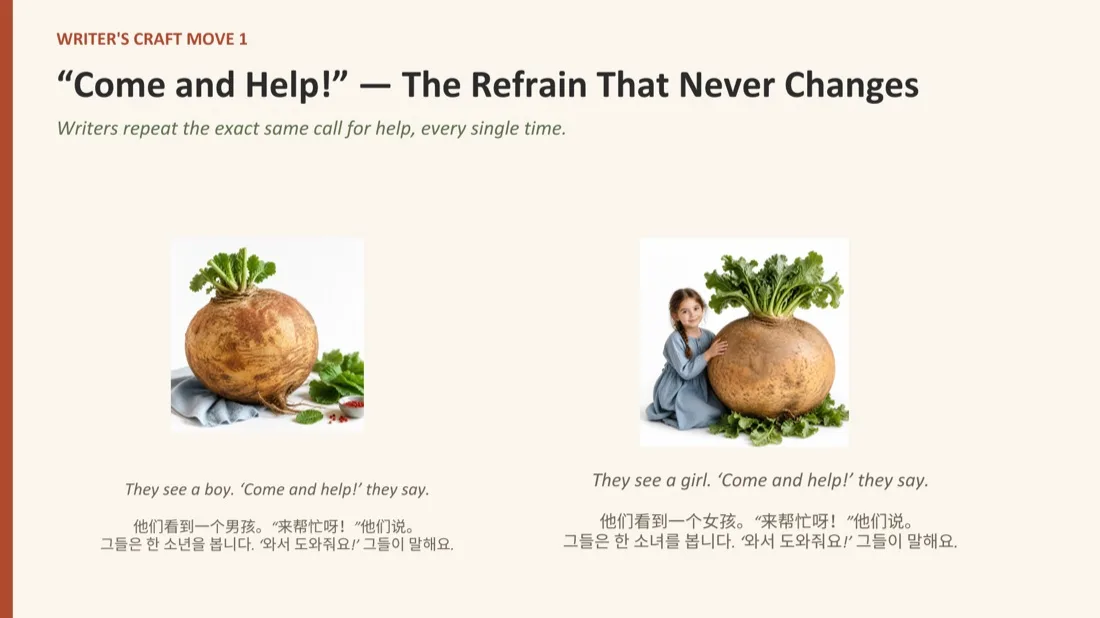
Writing units start from a stack of published mentor texts, not a single exemplar. An agent scours that stack for craft moves and turns them into bilingual writer's-craft mini-lessons (English/Chinese/Korean), grounded in Matt Glover and Carl Anderson's stacks approach. The same scanned pages a child heard during the read-aloud come back here days later as a Writer's Craft Companion: the same page doing a second job, not redrawn. Two units already have finished companion decks built this way, live in the same tool the team teaches from.
Reading Specialist Framework
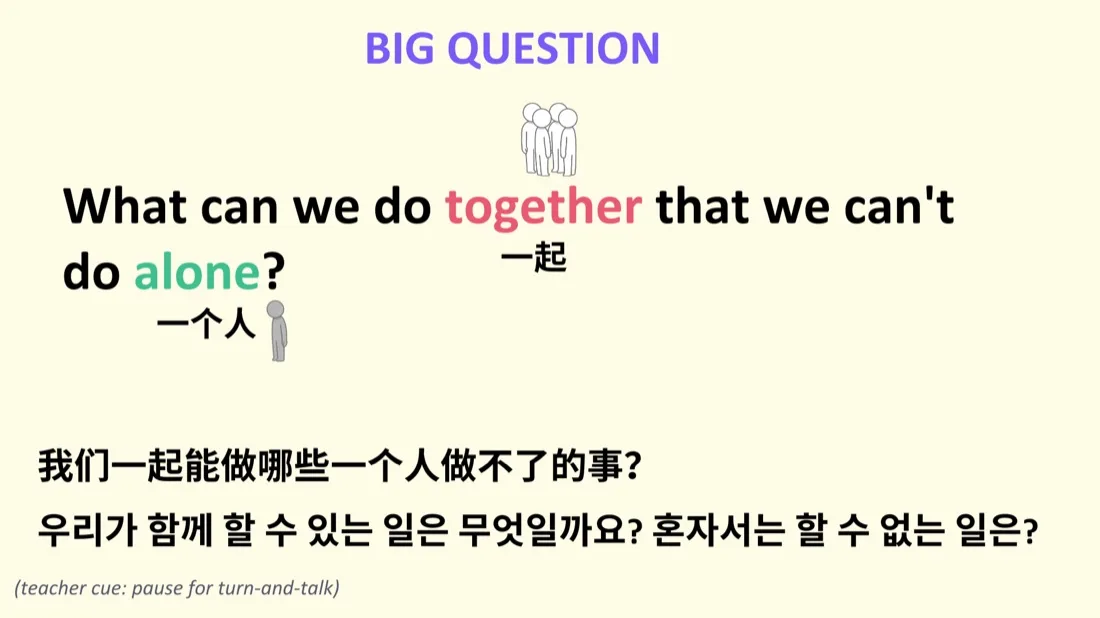
A 7-lens read-aloud framework grounded in Scarborough's Reading Rope, opening each plan with a bilingual Big Question tied to the unit's Line of Inquiry. Five read-aloud plans are already built and in use, so the framework travels with the plan instead of living in one specialist's memory. Every suggestion still waits on my sign-off before it reaches a classroom.
Math Specialist AI Agent
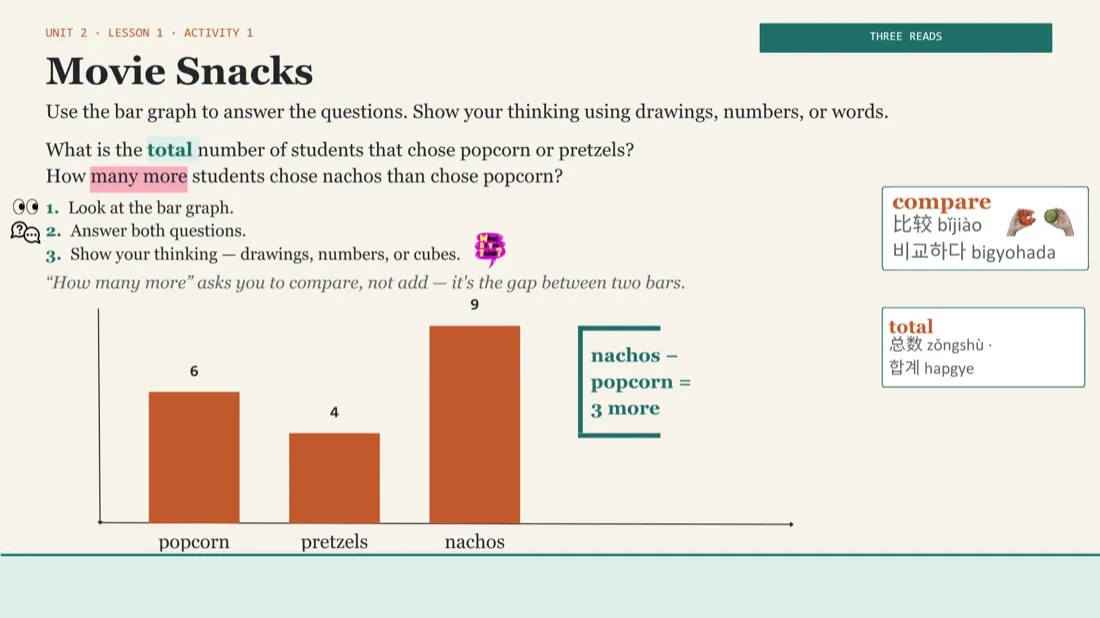
An AI-assisted planning tool aligned to Illustrative Math (adopted school-wide this year), generating research-grounded scaffolds and practice materials, the same approach as the Reading Specialist framework, applied to math, built to hold up on the days I'm not in the room.
AI Systems Engineering
Self-taught, self-directed: a multi-agent AI orchestration system (structured knowledge base, automated session logging, cross-project routing) that lets me run six concurrent instructional-design projects without losing the thread on any of them.
Vibe-Verse Edu Products
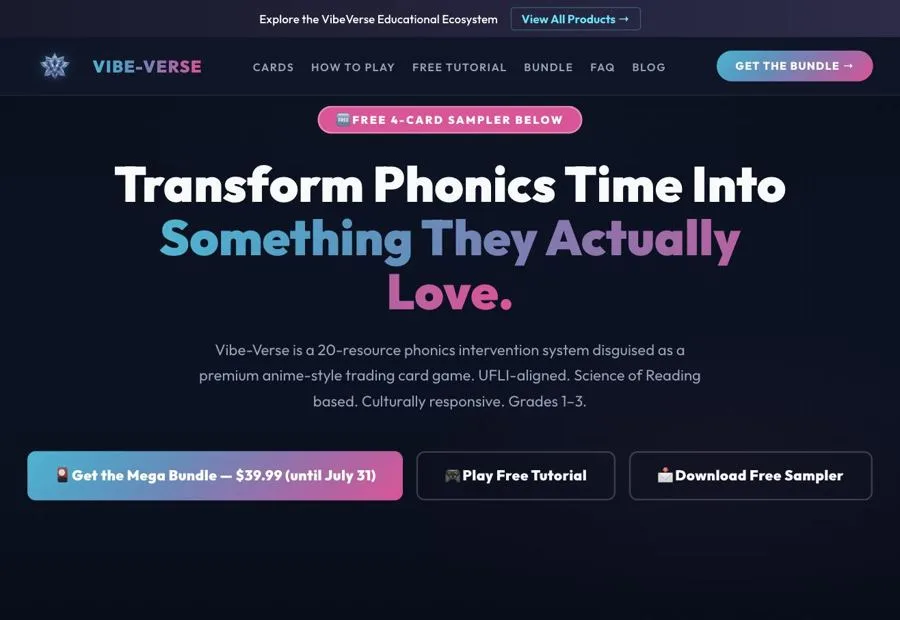
4 productsA K–8 EdTech brand I write, illustrate, and ship independently, sold on Teachers Pay Teachers and played live in classrooms. See the full product ecosystem
Vibe-Verse Phonics
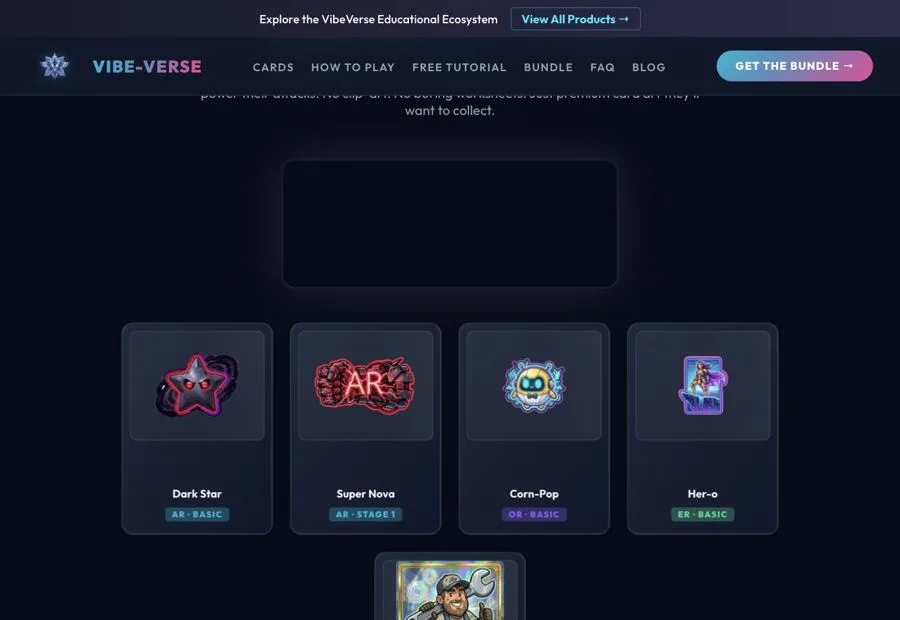
A 20-resource, UFLI-aligned phonics intervention system built as a premium anime-style trading card game: 75+ original illustrations, Science-of-Reading mechanics, bilingual EAL reference cards. Available for purchase as a classroom bundle.
Origin: an IB units-of-inquiry unit where I taught students to design their own games. Teaching the design process is what grew into the whole card-game universe.
Spirit Sparring
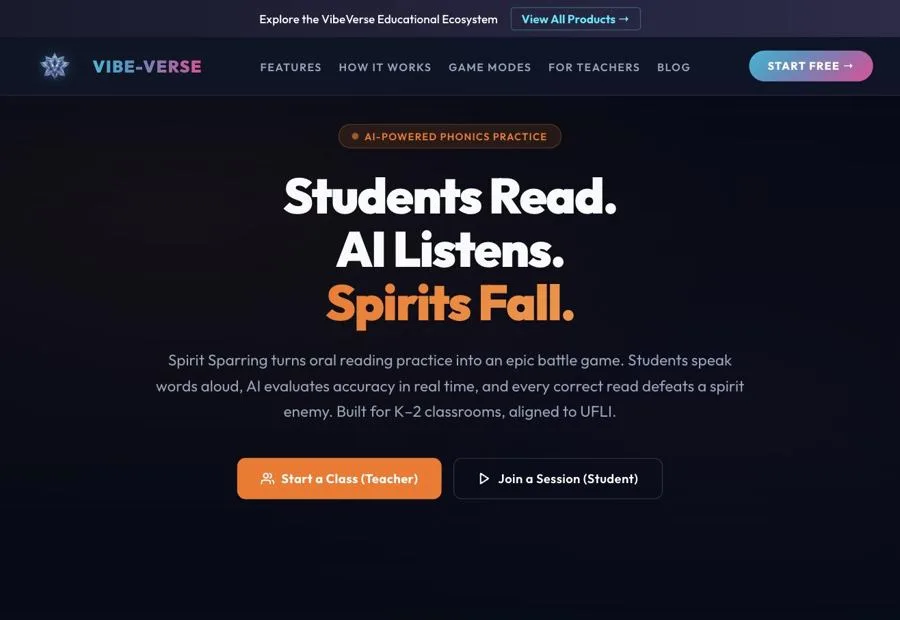
An AI-powered oral-reading practice app for K–2: students read words aloud, real-time speech AI (Groq) scores accuracy, and correct reads defeat a "spirit" in a battle game. UFLI-aligned, COPPA-compliant, with built-in spaced repetition (Leitner-box "Spiral Mode"), no student accounts required, just a class code.
The clearest example of pairing hands-on AI engineering with literacy pedagogy: real speech evaluation driving a research-backed intervention loop, not just a themed worksheet.
Neon City Architects
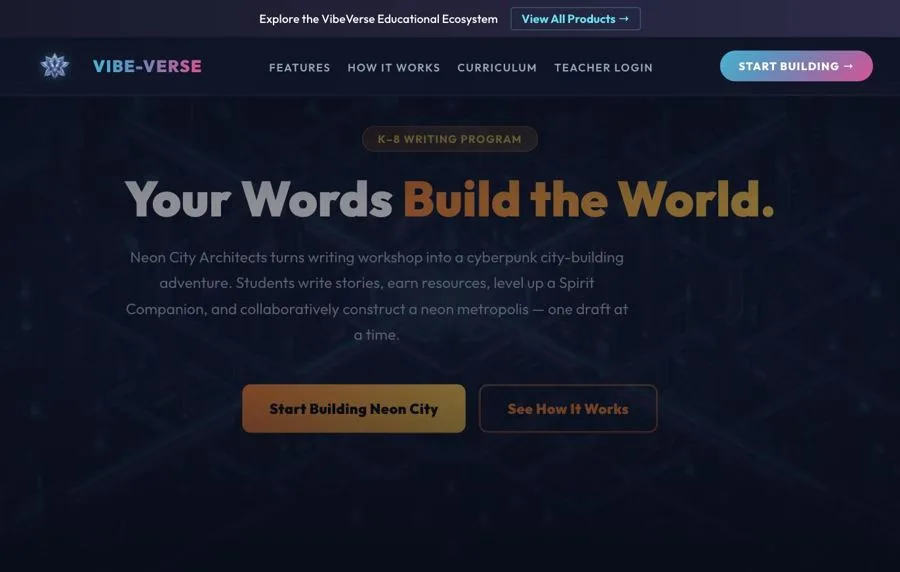
A K–8 writing program with an AI writing mentor and teacher moderation queue: students write stories, earn resources, and collaboratively construct a shared class city one draft at a time. CCSS and WIDA ELD aligned.
Origin: a Student Support Services meeting surfaced a shared need for classwide engagement: not a pull-out fix for a few students, a tool for the whole room.
Classroom Rhythm
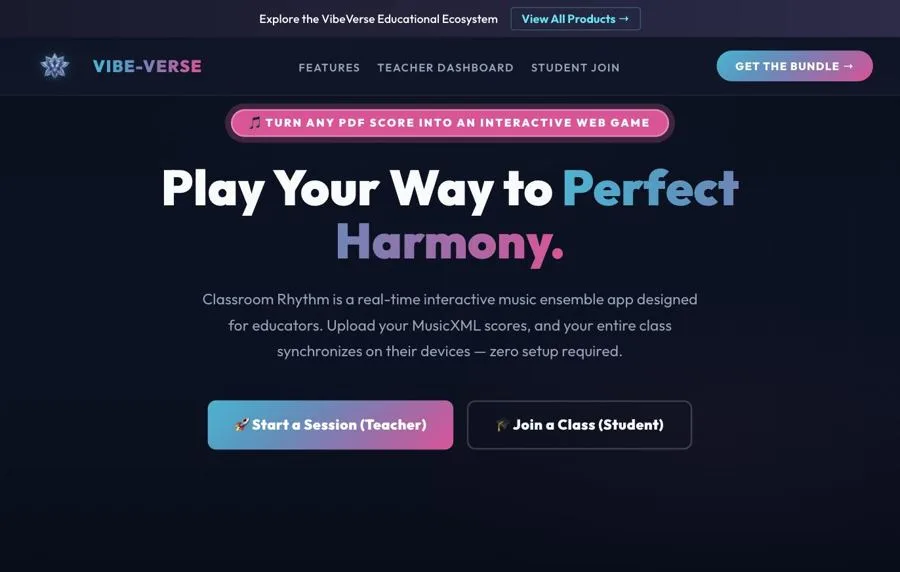
A real-time interactive music-ensemble app: upload a MusicXML score and the whole class syncs on their own devices via WebRTC, zero setup, for a shared rhythm-based routine.
Origin: an idea from home, built out with the classroom music teacher to solve a real day-to-day scheduling problem.
Independent Games
4 of 16 reposSmaller browser games I design, illustrate, and ship solo for classroom phonics practice. Browse the full GitHub
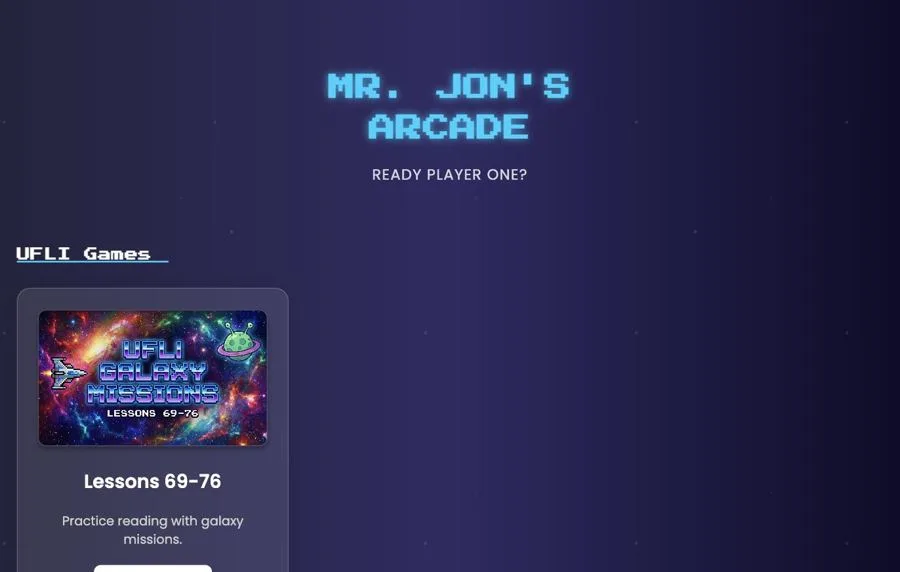
Word-Study Arcade
A free browser-based companion game to the Vibe-Verse phonics system: quick word-study practice rounds that reinforce the same UFLI scope outside of card-game sessions.
Suffixia: Crystal Clear Edition
A suffix-practice adventure game, one of several standalone phonics titles built solo outside the Vibe-Verse card-game universe.
Rammy's Ranges: Bossy R Quest
A bossy-R phonics adventure game, same solo build-and-ship pattern as the rest of the arcade.
Gnorman's Mega Stew
Another self-contained phonics game in the same series, playable directly in the browser, no install, no account.
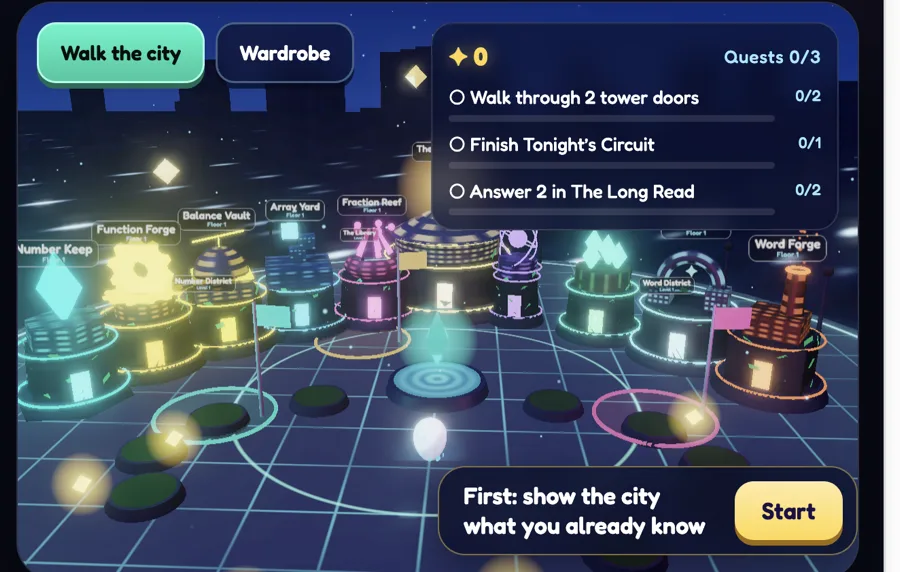
The Ten Towers
A learning lab my son and I built together, a 3D city extending his learning outside and above grade-level: ten towers so far, each its own skill district (fractions, functions, word work, one long-read library), lighting up as he clears them. Each tower runs its own adaptive engine, a level per skill that moves on what he's ready for next, not a stored test score anywhere in it. Parent-invited only, no open signup, send me a message for a code.
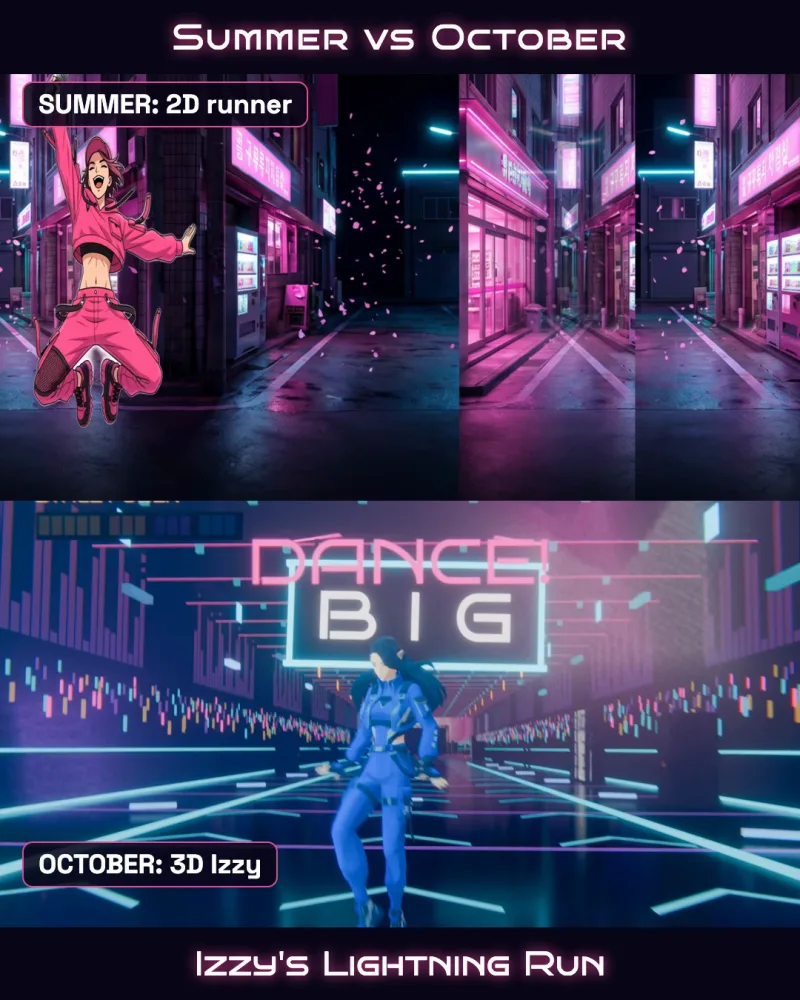
Brain Breaks: Izzy's Lightning Run
Episode 2 of a movement-break series for the classroom: Izzy sprints a neon corridor while students move, with short-i words as the obstacles. Episode 1 (Axxa's Concert Run) was a 2D runner this summer; episode 2 is a new episode built in 3D, with a rigged character, Blender scenes, and a full original music and sound-effect score.
Coaching & Leadership
3Positive Foundation Program
Coordinate AISG's school-wide strengths-based coaching program (Solros Development Group model), a year-long curriculum for PLCs and Learning Leader teams, plus weekly whole-staff meeting warm-ups, applying ICF coaching competencies across grade-level and leadership groups.
WASC Focus Group Lead
Leading a WASC Focus Group Section for the school's self-study, facilitating staff collaboration and data analysis to demonstrate alignment with international standards.
Jonathan Tragash Coaching
An independent ICF-aligned coaching practice for international students: "Thrive Beyond Borders," a proactive transition program covering academic culture shock, social integration, and identity, built on the same strengths-based coaching model used at AISG.
Conference Talks & PD
6 sessions2026
From Extra Hands to Extra Minds: Maximizing the Impact of Educational Assistants
Findings from a year-long MLRC action-research cycle on EA-supported scaffolding for multilingual learners.
2026
From Champions to Change: How Collective Leadership Accelerates School Improvement
A distributed-leadership model for scaling instructional innovation school-wide, co-presented with fellow AISG Digital Champions.
2024
Collaborating with Caregivers in a Multilingual Classroom
Strategies for partnering with multilingual families around classroom content and home-language background knowledge.
2024
Translanguaging in the Multilingual Classroom
Constructing an inclusive learning community by treating home languages as a classroom asset.
2025
Empowering Multilingual Learners: Innovative Tech Tools for Scaffolded Success
Led professional development on text engineering with Canva and AI-integrated tools to generate differentiated curricular resources.
2016–18
Teacher Training Series (China)
Designed and delivered training modules on successful teaching strategies, differentiation, and CLIL integration for partner schools across China.